Book Appointment Now


How Medicaid Waiver Programs Help You Stay Independent at Home Instead of Nursing Facilities
Living independently in the comfort of your own home shouldn’t feel like an impossible dream, especially when facing medical challenges or disabilities. For many individuals and families navigating complex healthcare needs, Medicaid waiver programs for home care offer a lifeline that transforms institutional care into personalized, home-based support.
Understanding Medicaid Waiver Programs for Home Care
Medicaid waiver programs for home care represent a fundamental shift in how we approach long-term care. Rather than requiring individuals to move into nursing facilities or institutional settings, these programs provide comprehensive support services that enable people to remain in their homes and communities. The two primary programs that make this possible are the Nursing Home Transition and Diversion (NHTD) waiver and the Traumatic Brain Injury (TBI) waiver.
These aren’t just healthcare programs; they’re independence programs. They recognize that quality of life matters just as much as quality of care, and that most people thrive better in familiar surroundings with personalized attention.
The NHTD Waiver: Your Bridge to Community Living
The Nursing Home Transition and Diversion waiver serves a critical population: seniors and individuals with disabilities who either need to transition out of nursing home care or want to avoid institutional placement altogether. As one of the most widely utilized Medicaid waiver programs for home care, NHTD provides the resources necessary to make community-based living not just possible, but sustainable and safe.
What makes NHTD particularly valuable is its comprehensive approach. The program doesn’t just provide a caregiver and call it done. Instead, it coordinates a full spectrum of services including personal care assistance, home modifications to improve accessibility and safety, medical equipment provision, and ongoing care coordination. Whether you need grab bars installed in your bathroom, a hospital bed for your bedroom, or daily assistance with bathing and meal preparation, NHTD can make it happen.
The program recognizes that staying home isn’t about stubbornness or preference alone—it’s about maintaining dignity, preserving family connections, and honoring the life someone has built in their community. When you can age in place or manage a disability in familiar surroundings, everything from cognitive function to emotional wellbeing tends to improve.
TBI Waiver: Specialized Support After Brain Injury
Traumatic brain injuries present unique challenges that require specialized understanding and coordinated care. The TBI waiver program specifically addresses the needs of individuals recovering from brain injuries who would otherwise require nursing facility care but can safely live at home with proper support. This specialized component of Medicaid waiver programs for home care ensures that brain injury survivors receive the targeted assistance they need.
Brain injury recovery isn’t linear, and needs can change dramatically over time. The TBI waiver accommodates this reality through flexible, personalized care plans that adapt as recovery progresses. Services can include cognitive rehabilitation support, assistance with activities of daily living, environmental modifications to reduce injury risks, and coordinated medical care management.
For families supporting a loved one with a traumatic brain injury, the program provides invaluable peace of mind. Rather than navigating the healthcare system alone or watching a family member languish in institutional care, you gain access to trained professionals who understand brain injury recovery and can provide consistent, compassionate support.
Personal Care Assistance: The Foundation of Home-Based Care
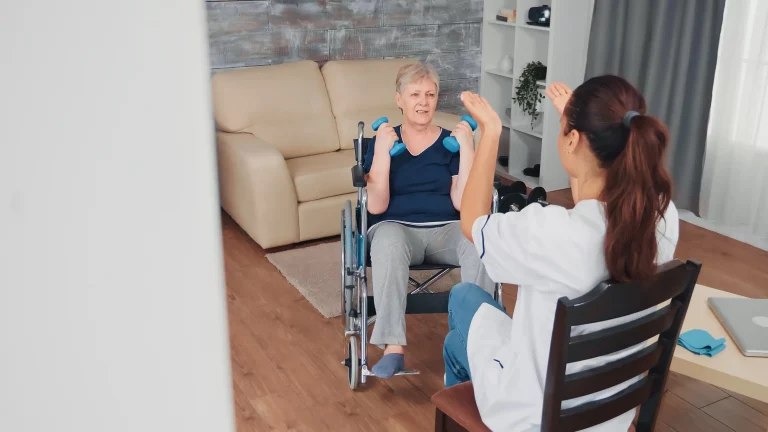
At the heart of most Medicaid waiver programs for home care lies Personal Care Assistance (PCA), which provides the hands-on daily support that makes independent living possible. PCA services are delivered by trained caregivers who come directly to your home to assist with essential activities of daily living.
This might include help with bathing and personal hygiene, assistance with dressing and grooming, meal preparation tailored to dietary needs and preferences, light housekeeping to maintain a safe living environment, medication reminders to ensure proper treatment adherence, and mobility assistance to prevent falls and injuries.
The beauty of PCA is its personalization. Care plans are developed around individual needs and preferences, not institutional schedules. If you’re a morning person who likes breakfast at 7 AM, your caregiver works with your rhythm. If you prefer showers to baths, that’s what you get. These seemingly small choices represent profound respect for personal autonomy.
The Real Benefits: Beyond Basic Care
While the practical aspects of Medicaid waiver programs for home care—the caregiving, equipment, and modifications—are essential, the deeper benefits often prove even more transformative. Staying home means staying connected to your neighborhood, your friends, your routines, and your sense of self. It means your grandchildren visit you in the home where they’ve always come for holidays, not in a sterile facility room.
Research consistently shows that people who receive care at home experience better health outcomes, improved mental health, and higher satisfaction with their care compared to those in institutional settings. The familiarity of home provides cognitive benefits for those with memory issues, emotional comfort during difficult recoveries, and the dignity that comes from maintaining control over your daily life.
Cost considerations matter too. While quality care is never cheap, home-based care through waiver programs typically costs significantly less than nursing facility placement, making it a fiscally responsible choice for both families and state Medicaid programs.
How to Access These Programs
Qualifying for Medicaid waiver programs for home care requires meeting specific criteria related to both medical need and financial eligibility. Generally, you must require a nursing facility level of care, meet Medicaid financial requirements, and be able to live safely at home with appropriate supports in place.
The application process can feel overwhelming, involving medical assessments, financial documentation, and care plan development. This is where working with experienced providers becomes invaluable. Organizations specializing in waiver programs can guide you through every step, from initial application to ongoing care coordination.
Don’t let the complexity discourage you. Thousands of individuals successfully navigate these programs every year and gain the independence they deserve. With patient advocacy and proper support, you can too.
What to Expect: Your Journey Forward
Once approved for a waiver program, you’ll work with care coordinators to develop a personalized plan addressing your specific needs. This plan isn’t set in stone—it evolves as your needs change, whether that means increasing support during recovery setbacks or scaling back as independence improves.
Your care team becomes an extension of your family, providing not just physical assistance but companionship, encouragement, and consistency. The best providers train their staff not just in technical caregiving skills but in compassion, cultural sensitivity, and person-centered care approaches.
You’ll have control over your daily schedule, your care preferences, and your quality of life in ways that institutional settings simply cannot match. This is your home, your life, and your care plan—built around you.
Making the Decision
Choosing between institutional care and home-based services through Medicaid waiver programs for home care is deeply personal. For many families, the decision feels less like a choice and more like a calling to honor a loved one’s wishes and dignity. Others discover that home care provides the structure and support they’ve been desperately seeking.
If you’re considering this path, start by having honest conversations with family members, healthcare providers, and waiver program specialists. Ask questions, voice concerns, and gather information. The right choice becomes clearer when you understand all your options.
Remember that accepting help isn’t giving up independence—it’s ensuring you can maintain the independence that matters most. With the right support services in place, living safely and comfortably at home isn’t just a possibility; it’s a sustainable, dignified reality.
Your Next Steps
If you or a loved one might benefit from Medicaid waiver programs for home care, don’t wait. These programs have eligibility requirements and sometimes waiting periods, so beginning the exploration process sooner rather than later serves you well. Reach out to qualified providers who can assess your situation, explain your options, and guide you through the application process.
Independence at home isn’t a privilege reserved for the healthy and able-bodied. With Medicaid waiver programs for home care, it’s an achievable goal for individuals facing medical challenges, disabilities, and aging-related needs. Your home, your community, your life—with the right support, they remain within reach.