Book Appointment Now

How NHTD and TBI Programs Support Independent Living
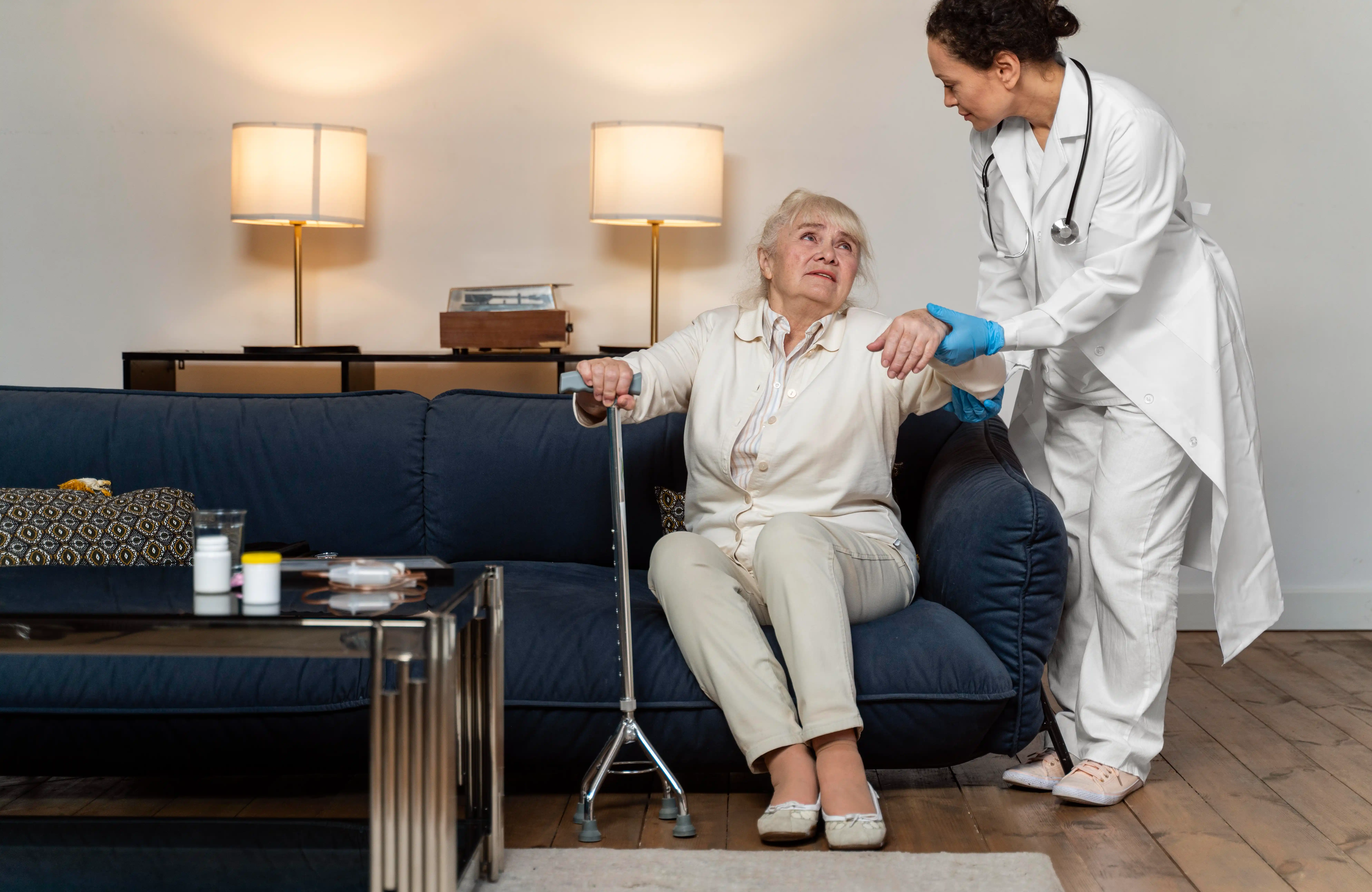
The NHTD and TBI support services programs are designed to help individuals with disabilities and traumatic brain injuries live independently in their communities instead of institutional settings.
Understanding NHTD
The Nursing Home Transition and Diversion (NHTD) waiver program assists individuals eligible for nursing home care but who prefer to live at home. Services may include:
- Service coordination
- Home modifications
- Assistive technology
- Personal care assistance
- Community integration counseling
NHTD and TBI support services promote independence, dignity, and personal choice.
What Is TBI?
Traumatic Brain Injury (TBI) can result from accidents, falls, sports injuries, or medical events. Individuals may experience:
- Memory loss
- Impaired mobility
- Behavioral changes
- Communication difficulties
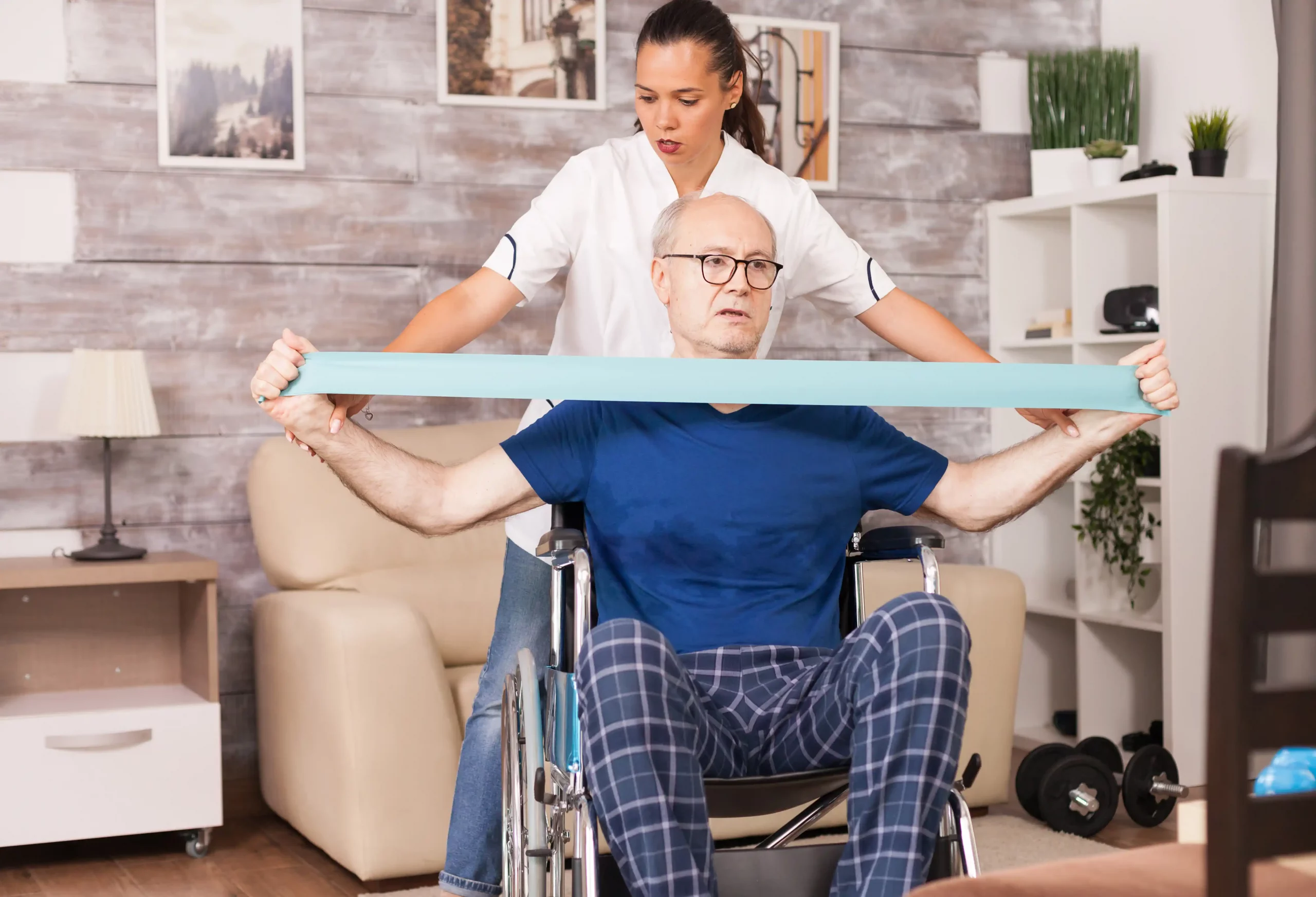
Community-based TBI services focus on rehabilitation and adaptive support.
Core Services Provided
- Service Coordination – Ensures participants receive appropriate care.
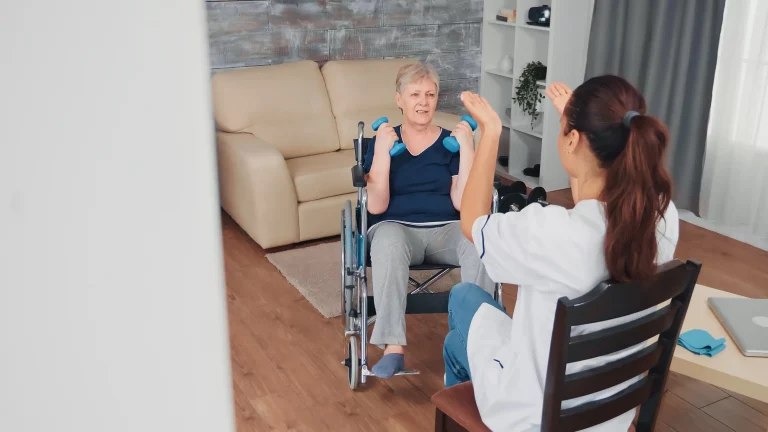
- Independent Living Skills Training – Helps individuals relearn daily tasks.
- Positive Behavioral Interventions – Supports emotional regulation.
- Environmental Modifications – Makes homes safer and accessible.
- Respite Services – Supports caregivers.
Benefits of Community-Based Care
NHTD and TBI support services provide:
- Greater independence
- Personalized care
- Reduced institutionalization
- Improved mental well-being
- Stronger family connections
Person-Centered Planning
Participants collaborate in creating care plans that align with their goals, strengths, and preferences.
Transitioning from Nursing Facilities
The NHTD program allows safe transitions from nursing homes to community residences with structured support systems in place.
Improving Quality of Life
With consistent NHTD and TBI support services, individuals regain autonomy, social engagement, and self-confidence.
Conclusion
NHTD and TBI support services empower individuals with disabilities to live fulfilling lives within their communities. Through personalized, coordinated care, these programs promote dignity, independence, and long-term stability.