Book Appointment Now


NHTB TBI Care: Supporting Recovery Beyond the Hospital Setting
NHTB TBI Care: Supporting Recovery Beyond the Hospital Setting
Traumatic brain injuries (TBI) affect millions of individuals each year, often leaving long-term physical, cognitive, and emotional challenges. While hospitals play a critical role in emergency treatment, true recovery happens over time — in homes, communities, and daily environments. This is where non-hospital traumatic brain injury care becomes essential.
Understanding Traumatic Brain Injury
A traumatic brain injury occurs when an external force disrupts normal brain function. This can result from falls, vehicle accidents, sports injuries, or physical trauma. Symptoms range from mild concussions to severe cognitive impairment.
Recovery is rarely linear. Patients often need ongoing therapy, daily assistance, and structured support systems long after hospital discharge.
What Is NHTB TBI Care?
Non-hospital TBI care focuses on helping individuals regain independence and quality of life outside medical facilities. Services typically include:
- Personal care assistance
- Cognitive and behavioral support
- Medication management
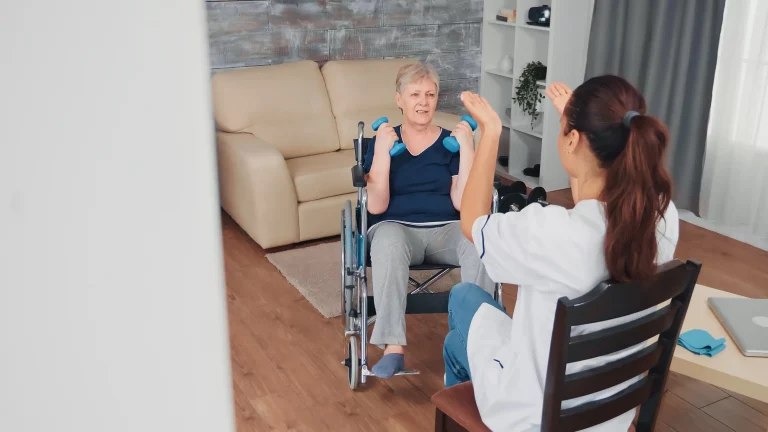
- Physical and occupational therapy coordination
- Community reintegration services
This model ensures continuity of care in real-world settings.
The Importance of Home-Based Recovery
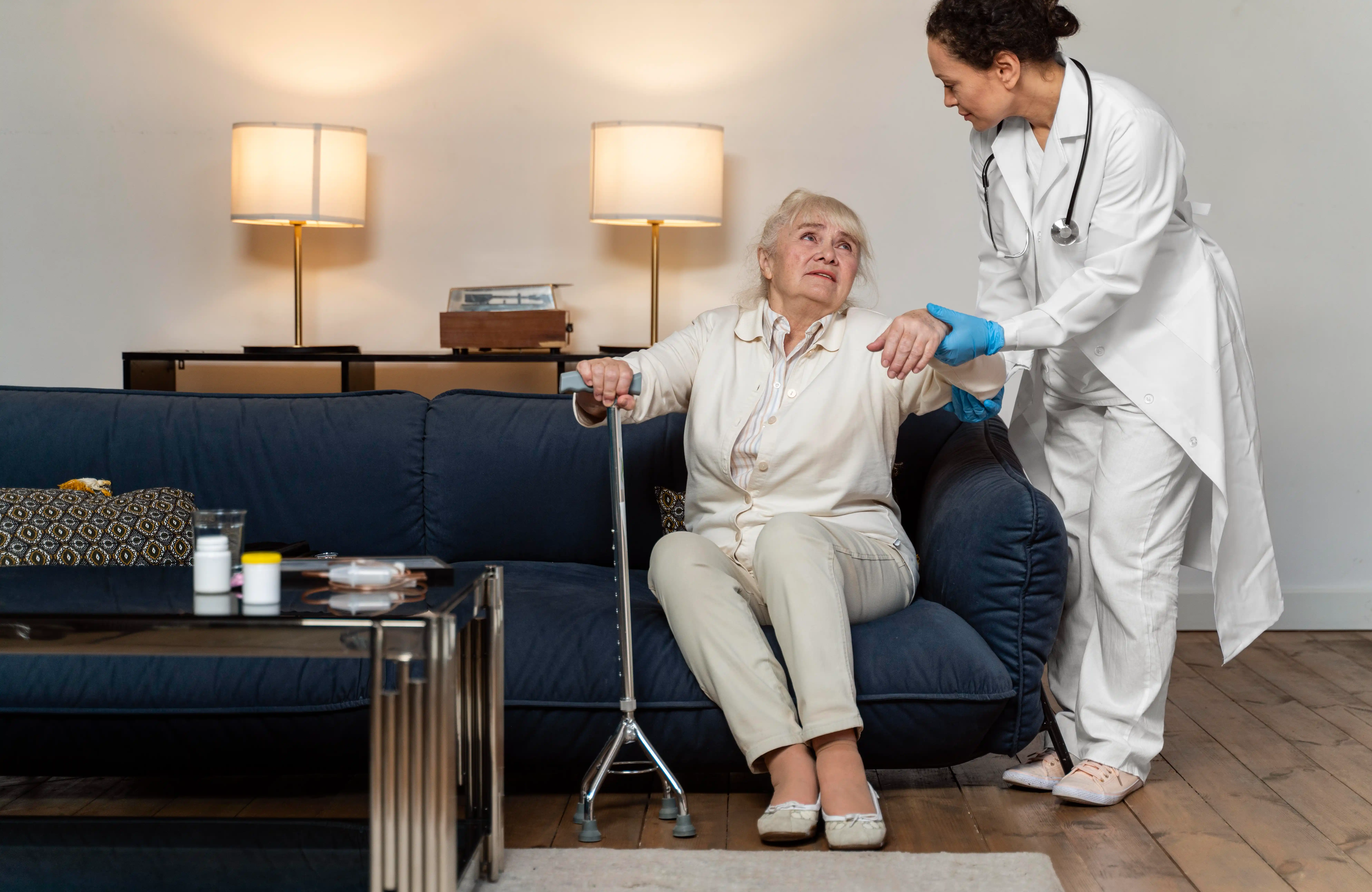
The home environment plays a powerful role in brain injury recovery. Familiar surroundings reduce stress, promote emotional well-being, and allow individuals to practice daily skills in meaningful contexts.
Care teams work with patients to rebuild routines, develop coping strategies, and strengthen functional independence.
Supporting Cognitive and Emotional Healing
TBI often impacts memory, attention, mood, and communication. NHTB programs emphasize emotional and psychological support through structured activities, behavioral strategies, and social engagement.
This holistic approach improves both mental health and long-term recovery success.
Family and Caregiver Involvement
Families are essential partners in the recovery journey. Education and training empower caregivers to support progress while maintaining their own well-being.
Community Reintegration
Rejoining the community is a major milestone for TBI survivors. Support programs focus on vocational skills, transportation assistance, and social participation to help individuals regain confidence and purpose.
Technology in Brain Injury Care
Digital tools such as reminder apps, teletherapy platforms, and cognitive training software enhance modern NHTB services, making care more accessible and personalized.
Conclusion
Non-hospital traumatic brain injury care bridges the gap between clinical treatment and real-world recovery. By providing personalized, home-based support, these services empower individuals to rebuild their lives with dignity and independence.