Book Appointment Now


The Importance of Prioritizing Comprehensive Care for Older Adults
The Importance of Prioritizing Comprehensive Care for Older Adults
America is aging. By 2030, all baby boomers will be over age 65, and one in five Americans will be retirement age. This demographic shift brings both opportunity and responsibility—the opportunity to reimagine aging and the responsibility to prioritize care for older adults in ways that honor their dignity, preserve independence, and enhance quality of life.
Yet despite this rapidly growing senior population, our healthcare and social support systems often fall short in addressing the complex, multifaceted needs of older adults. Fragmented care, ageist attitudes, and inadequate resources leave many seniors struggling with preventable health complications, social isolation, and diminished independence.
At Priority Groups, we believe that older adults deserve comprehensive, person-centered care that addresses not just medical needs but the full spectrum of factors influencing health and wellbeing. Understanding why we must prioritize care for older adults—and what comprehensive care truly means—is essential for families, caregivers, healthcare providers, and communities committed to supporting our aging population.
The Unique Healthcare Challenges Facing Older Adults
Aging brings physiological changes and health challenges that require specialized knowledge, coordinated care, and proactive management.
High Prevalence of Chronic Conditions Approximately 85% of older adults live with at least one chronic condition, and 60% have two or more. Heart disease, diabetes, arthritis, chronic obstructive pulmonary disease (COPD), and hypertension are among the most common conditions affecting seniors.
These chronic diseases don’t just cause discomfort—they significantly impact daily functioning, independence, and quality of life. When we prioritize care for older adults through early identification, appropriate treatment, and ongoing management of chronic conditions, we prevent complications, reduce hospitalizations, and help seniors maintain better health and function.
Medication Management Complexity The average older adult takes multiple medications daily, creating complex regimens that are easy to mismanage. Medication interactions, side effects, and errors in taking prescriptions as directed create serious health risks including adverse drug reactions, falls, and emergency department visits.
Comprehensive care includes careful medication review, simplification of regimens when possible, clear communication about proper usage, and monitoring for side effects or interactions. This attention to medication management prevents complications and ensures medications help rather than harm.
Increased Vulnerability to Acute Illness Older immune systems respond less robustly to infection, making seniors more susceptible to illnesses like pneumonia, influenza, and urinary tract infections. These acute illnesses can quickly become serious without prompt recognition and treatment.
When we prioritize care for older adults, we ensure regular health monitoring that catches problems early and provides rapid response when acute issues arise.
Functional Decline and Mobility Challenges Age-related changes in strength, balance, vision, and coordination increase fall risk and may limit ability to perform daily activities independently. Falls represent a leading cause of injury and loss of independence among older adults.
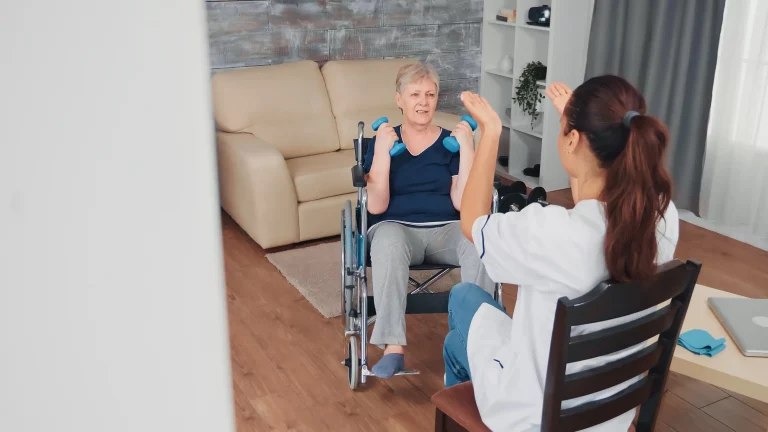
Comprehensive care addresses functional decline through physical therapy, home safety assessments, assistive devices, and support with activities of daily living that enable seniors to maintain maximum possible independence safely.
Beyond Medical Care: Addressing the Full Spectrum of Needs
To truly prioritize care for older adults, we must recognize that health extends far beyond absence of disease. Multiple interconnected factors influence senior wellbeing.
Nutritional Health Often Overlooked Many older adults experience poor nutrition due to reduced appetite, difficulty preparing meals, financial constraints, dental problems, or medication side effects that affect taste. Malnutrition and unintended weight loss compromise immune function, slow healing, increase infection risk, and accelerate functional decline.
Comprehensive senior care includes nutritional assessment, meal preparation assistance, education about age-appropriate nutrition, and addressing barriers to adequate food intake. Proper nutrition dramatically impacts overall health outcomes and quality of life.
Social Connection as Health Imperative Social isolation and loneliness affect approximately one-quarter of older adults and carry health risks comparable to smoking 15 cigarettes daily. Isolation increases risk for depression, cognitive decline, heart disease, stroke, and premature death.
When we prioritize care for older adults, we must address social needs as seriously as medical ones. This includes facilitating family connections, encouraging community participation, providing companion services, and creating opportunities for meaningful social engagement.
Housing and Environmental Safety Home environments significantly impact senior safety and independence. Stairs, poor lighting, clutter, slippery surfaces, and lack of grab bars create fall hazards. Inadequate heating or cooling affects health. Neighborhoods without sidewalks limit walking and social connection.
Comprehensive care includes home safety assessments, modifications to reduce hazards, and consideration of whether current living situations support or undermine health and independence.
Transportation Access Many older adults no longer drive but live in communities without adequate public transportation. This mobility limitation restricts healthcare access, social engagement, grocery shopping, and community participation—all factors influencing health and quality of life.
Prioritizing care means ensuring seniors can access necessary services and maintain community connections despite transportation challenges.
The Critical Importance of Mental Health in Older Adults
Mental health significantly impacts physical health, yet mental health needs in older adults are frequently overlooked or dismissed as “normal aging.”
Depression: Neither Normal Nor Inevitable Contrary to common misconceptions, depression is not a normal part of aging. Yet older adults experience depression at concerning rates, often triggered by losses—of loved ones, independence, health, or purpose. Depression in seniors frequently goes unrecognized because symptoms may differ from typical presentations and can be mistakenly attributed to other conditions or medications.
Untreated depression in older adults increases risk for physical health problems, impairs recovery from illness or surgery, reduces quality of life, and increases suicide risk. When we prioritize care for older adults, we must include mental health screening, appropriate treatment, and ongoing monitoring.
Anxiety Often Accompanies Aging Challenges Anxiety disorders affect many older adults, often related to health concerns, financial worries, loss of independence, or fear of falling. Like depression, anxiety frequently goes untreated in seniors despite being highly responsive to appropriate intervention.
Comprehensive care recognizes anxiety as a legitimate health concern requiring attention, not dismissal as “just worrying.”
Cognitive Health and Dementia Concerns While not all seniors develop dementia, cognitive changes worry many older adults and their families. Some cognitive changes reflect normal aging, while others signal conditions requiring medical evaluation.
Early identification of cognitive impairment enables timely intervention, planning, and support. When we prioritize care for older adults, we include cognitive screening, appropriate diagnostic evaluation when concerns arise, and specialized support for those with dementia and their families.
Substance Use in Older Adults Alcohol and prescription medication misuse affects a significant number of older adults, sometimes beginning later in life as coping mechanisms for loss, pain, or loneliness. Substance use in seniors often goes unrecognized, yet it compromises health, increases fall risk, and interacts dangerously with medications.
Comprehensive care includes substance use screening and appropriate intervention when needed.
Preserving Independence and Dignity Through Person-Centered Care
How we deliver care to older adults matters as much as what care we provide. Person-centered approaches that honor individual preferences, histories, and goals distinguish truly comprehensive care.
Respecting Autonomy and Choice Even when older adults need assistance, they deserve control over their lives. Person-centered care involves seniors in decisions about their care, respects their preferences and values, and supports their choices whenever safely possible.
This autonomy preservation maintains dignity and quality of life even as physical or cognitive abilities change. When we prioritize care for older adults, we empower rather than infantilize them.
Maintaining Identity Beyond Care Needs Older adults are whole people with rich life histories, not merely collections of medical conditions requiring management. Comprehensive care recognizes and honors who people are—their careers, accomplishments, relationships, interests, and values.
This holistic view ensures care supports individuals in living meaningful lives consistent with their identities, not just managing diseases.
Supporting “Aging in Place” When Desired Most older adults prefer remaining in their own homes as they age. With appropriate support, many can do so safely while maintaining better quality of life than institutional settings would provide.
Prioritizing care for older adults means providing the home-based services, modifications, and supports that enable successful aging in place for those who choose it.
Recognizing and Preventing Elder Abuse Sadly, elder abuse—physical, emotional, financial, or neglect—affects many older adults. Comprehensive care includes awareness of abuse indicators and appropriate intervention when concerns arise.
The Family Caregiver Reality
When we prioritize care for older adults, we must also support the family members who provide substantial care.
The Scope of Family Caregiving More than 40 million Americans provide unpaid care to older adults, typically family members. These caregivers provide assistance valued at approximately $470 billion annually, making family caregiving the backbone of our long-term care system.
Caregiver Burden and Health Impact Family caregiving, while often rewarding, creates significant stress. Caregivers experience higher rates of depression, anxiety, physical health problems, and mortality compared to non-caregivers. The demands of caregiving affect employment, finances, and relationships.
Supporting Caregivers as Part of Comprehensive Care When we truly prioritize care for older adults, we recognize that supporting family caregivers directly benefits the seniors they care for. Caregiver support includes respite services, education and training, emotional support, and connection to resources.
Priority Groups understands that comprehensive senior care must address both older adults’ needs and their family caregivers’ wellbeing.
Breaking Down Barriers to Comprehensive Care
Despite clear need to prioritize care for older adults, multiple barriers prevent many seniors from receiving comprehensive care.
Fragmented Healthcare Delivery Older adults typically see multiple specialists who may not communicate effectively with each other. This fragmentation creates gaps in care, duplicative testing, medication conflicts, and confusion for patients and families.
Care coordination that ensures all providers work together as a team dramatically improves care quality and outcomes.
Ageism in Healthcare Ageist attitudes—the belief that decline, disability, and poor quality of life are inevitable in aging—lead some healthcare providers to dismiss treatable conditions as “just getting older.” This ageism results in inadequate pain management, untreated depression, and failure to pursue treatments that could improve function and quality of life.
Financial Barriers Medicare covers many healthcare services but has significant gaps, particularly around long-term care, dental care, vision care, and hearing aids. Many seniors face difficult choices between needed care and financial security.
Geographic Disparities Rural areas often lack geriatric specialists, mental health services, and adequate home care resources. Transportation challenges compound access issues for rural seniors.
The Role of Professional Home Care in Comprehensive Senior Care
Professional home care services play vital roles in comprehensive approaches that prioritize care for older adults.
Bridging Healthcare and Daily Living Home care providers bridge the gap between medical care and daily life, helping seniors manage chronic conditions, follow treatment plans, take medications correctly, attend appointments, and maintain nutrition and hygiene.
This support prevents complications, reduces hospitalizations, and enables seniors to remain safely at home.
Providing Consistent Monitoring Regular presence of home care providers enables monitoring for changes in condition, early identification of problems, and timely intervention before situations become crises.
Enabling Family Caregiver Sustainability Professional home care provides essential respite for family caregivers, making long-term family caregiving sustainable. This support prevents caregiver burnout that often leads to difficult decisions about institutional placement.
Specialized Expertise Quality home care providers bring training in geriatric care, chronic disease management, dementia care, and end-of-life support that enhances care quality beyond what family members can provide alone.
How Priority Groups Prioritizes Comprehensive Care for Older Adults
At Priority Groups, our philosophy centers on truly comprehensive, person-centered care that addresses the full spectrum of older adult needs.
Holistic Assessment We begin with thorough assessment examining not just medical conditions but also functional abilities, cognitive status, mental health, nutrition, social support, living environment, and individual goals and preferences.
Customized Care Plans Based on comprehensive assessment, we develop individualized care plans addressing identified needs while respecting personal preferences and promoting maximum independence.
Coordinated Services We coordinate with physicians, therapists, and other healthcare providers to ensure seamless, team-based care that prevents gaps and promotes optimal outcomes.
Qualified, Compassionate Caregivers Our caregivers receive specialized training in geriatric care and bring not just skills but genuine compassion and respect for the older adults they serve.
Family Partnership We view family caregivers as essential partners, providing them with support, education, and regular communication that enables effective collaboration in care.
Ongoing Monitoring and Adjustment As needs change—and they will—we adjust care plans accordingly, ensuring services remain appropriate and effective over time.
Taking Action to Prioritize Care for Older Adults
Whether you’re an older adult seeking support, a family member concerned about an aging loved one, or a professional working with seniors, taking action to prioritize comprehensive care makes profound differences.
For Older Adults Advocate for your needs. Speak up about symptoms, concerns, or challenges you’re experiencing. Engage proactively with healthcare providers. Consider what supports would enhance your quality of life and independence, and explore available resources.
For Family Members Educate yourself about aging, common conditions, and available resources. Involve your older loved one in care decisions. Assess whether current care adequately addresses all dimensions of wellbeing, not just medical needs. Recognize your own limits as a caregiver and seek support before reaching crisis point.
For Healthcare Providers Adopt geriatric assessment tools that identify issues beyond chief complaints. Coordinate with other providers caring for your older patients. Screen for mental health concerns, social isolation, and caregiver stress. Connect patients and families to community resources.
For Communities Support policies and programs that enhance senior services, housing options, transportation, and social opportunities. Challenge ageist attitudes. Create age-friendly communities where older adults can thrive.
The Moral Imperative of Comprehensive Senior Care
To prioritize care for older adults isn’t merely practical—it’s a moral imperative. Our older adults built the communities we inhabit, contributed to society throughout their lives, and deserve to age with dignity, respect, and comprehensive support addressing their complex needs.
The quality of care we provide to our aging population reflects our values as a society. When we invest in comprehensive, person-centered care that honors older adults’ humanity and supports their wellbeing across all dimensions, we demonstrate that we value all members of our community regardless of age.
At Priority Groups, we’re committed to leading this transformation in how we care for older adults. Through comprehensive services, person-centered philosophy, and genuine respect for those we serve, we’re working to ensure every older adult receives the quality of care they deserve.
The demographic reality of our aging population means we must act now to strengthen systems, expand services, and shift attitudes about aging and older adult care. The time to prioritize care for older adults isn’t someday—it’s today.
Contact Priority Groups to learn how our comprehensive home care services support older adults in living with dignity, independence, and quality of life. Together, we can ensure your older loved one receives the holistic, respectful care that addresses not just medical needs but the full spectrum of factors influencing wellbeing and life satisfaction.
Every older adult deserves comprehensive care that honors who they are, preserves their independence, and supports their goals. Let’s make that vision reality.