Book Appointment Now

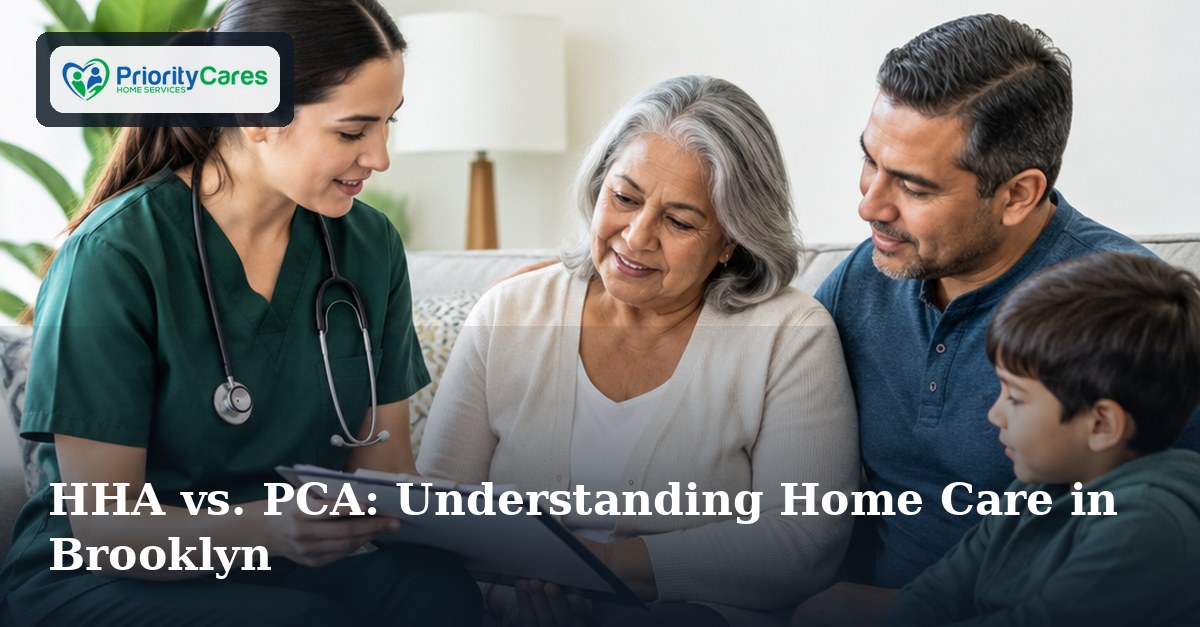
HHA vs. PCA: Understanding Home Care in Brooklyn
Navigating the world of senior care can feel overwhelming, especially when you’re looking for the best support for a loved one right at home. You might have heard terms like “Home Health Aide” (HHA) and “Personal Care Aide” (PCA), and it’s natural to wonder what each role entails. Understanding the distinctions between these vital caregivers is the first step toward ensuring your family receives the compassionate, professional support they deserve.
At Priority Cares Home Services, we believe in empowering families with clear information. This guide will help explain the roles of HHAs and PCAs, highlighting their unique skills and responsibilities. Our goal is to make your search for a reliable home care agency in Brooklyn easier.
What is a Personal Care Aide (PCA)?
A Personal Care Aide (PCA) focuses on assisting individuals with their daily living activities, often referred to as Activities of Daily Living (ADLs). These include essential tasks that many of us perform without a second thought, but which can become challenging for seniors or those recovering from illness. PCAs provide invaluable support that helps maintain independence and dignity.
Their responsibilities typically cover personal hygiene, such as bathing, dressing, and grooming. They also assist with mobility, helping clients move safely around their home, transfer from bed to chair, or use the restroom. Beyond these personal tasks, PCAs often help with light housekeeping, meal preparation, and medication reminders.
PCAs are trained to offer companionship and emotional support, which is a crucial aspect of their role. They can engage clients in conversation, accompany them on errands, or participate in recreational activities. Their presence brings comfort and helps prevent feelings of isolation, making a significant positive impact on overall well-being.
What is a Home Health Aide (HHA)?
A Home Health Aide (HHA) provides all the services of a Personal Care Aide, but with additional specialized training that allows them to perform basic health-related tasks. This makes HHAs particularly suited for individuals who require a bit more medical oversight or assistance with specific health conditions in the comfort of their home. If you’re looking for comprehensive home health aide NYC services, an HHA might be the right fit.
In addition to assisting with ADLs, mobility, and companionship, HHAs are qualified to monitor vital signs like blood pressure, pulse, and temperature. They can also provide medication reminders and assist with self-administration, ensuring medications are taken correctly and on schedule. Some HHAs may also be trained in simple wound care or other specific medical procedures under the supervision of a registered nurse or other licensed medical professional.
The expanded scope of an HHA’s duties means they can offer a higher level of care, bridging the gap between basic personal assistance and skilled nursing care. They play a critical role in managing chronic conditions, assisting with post-hospital recovery, and supporting individuals with more complex health needs. This comprehensive support helps clients maintain their health and independence at home, reducing the need for hospitalizations or facility stays.
Key Differences: PCA vs. HHA
While both PCAs and HHAs are dedicated to providing compassionate in-home support, their training and the scope of their services differ. Understanding these differences is crucial when determining the best type of senior care services Queens or Brooklyn can offer your family. The primary distinction lies in the medical tasks an HHA is authorized to perform that a PCA is not.
PCAs are trained to assist with non-medical personal care and daily living activities. Their focus is on support that enhances quality of life, promotes independence, and ensures safety within the home environment. They are companions and assistants, helping with the routines of daily life.
HHAs, on the other hand, build upon the PCA foundation with additional instruction in basic health monitoring and certain medical procedures. This specialized training allows them to address a wider range of needs, particularly for clients with health conditions that require regular observation or specific health-related interventions. Both roles are vital, but the choice depends on the specific health and personal care requirements of the individual.
When is a PCA the Right Choice?
A Personal Care Aide is often the ideal choice for individuals who need assistance with daily tasks but do not require complex medical care. If your loved one is generally healthy but struggles with mobility, memory, or the physical demands of maintaining a home, a PCA can provide invaluable support. This includes help with bathing, dressing, grooming, and preparing nutritious meals.
PCAs are excellent for seniors who benefit from companionship and social engagement. They can alleviate feelings of loneliness and provide a reassuring presence, making sure your loved one is safe and comfortable. If your family primarily needs support with household chores, errands, and personal care routines, a PCA can significantly improve their quality of life.
Consider a PCA if your loved one is largely independent but needs a little extra help to remain safe and comfortable in their own home. This can be particularly beneficial for those experiencing early stages of memory loss, limited mobility, or simply needing an extra hand to manage their daily schedule and household. A PCA helps maintain their routine and ensures they have consistent, caring support.
When is an HHA the Right Choice?
A Home Health Aide becomes the appropriate choice when your loved one’s needs extend beyond basic personal care to include health-related support. This might be necessary for individuals managing chronic illnesses like diabetes or heart disease, or those recovering from surgery, injury, or a hospital stay. HHAs are equipped to handle situations that require a closer eye on health indicators.
If your loved one requires regular monitoring of vital signs, assistance with specific medical equipment, or careful medication management, an HHA provides the necessary expertise. They can observe changes in condition and report them to family or medical professionals, offering an essential layer of oversight. This content is for informational purposes only and is not medical advice.
An HHA is also invaluable for individuals who have been discharged from a hospital and need transitional care to fully recover at home. They can follow care plans developed by medical professionals, ensuring continuity of care and promoting a smoother recovery. For comprehensive home health aide NYC services, an HHA offers peace of mind and professional support for more complex health needs.
Finding the Right Support with a Home Care Agency Brooklyn
Choosing between a PCA and an HHA can feel like a big decision, but you don’t have to make it alone. A reputable licensed home care agency in Brooklyn will conduct a thorough assessment of your loved one’s needs. This assessment considers their current health status, personal care requirements, social preferences, and any specific medical considerations.
A good agency should help you determine whether a PCA’s compassionate assistance or an HHA’s expanded health-related services are the best fit, and work closely with your family to create a personalized care plan that addresses all aspects of your loved one’s well-being.
Partnering with a dedicated agency means you have access to qualified, vetted caregivers. A good agency handles the complexities of staffing, training, and supervision, so you can focus on what matters most: your loved one’s health and happiness.
Frequently Asked Questions
What kind of training do HHAs and PCAs receive?
Both Personal Care Aides (PCAs) and Home Health Aides (HHAs) undergo specialized training programs. PCAs receive training focused on assisting with Activities of Daily Living (ADLs), personal hygiene, mobility, light housekeeping, meal preparation, and companionship. HHAs complete all the PCA training plus additional instruction in basic health-related tasks, such as monitoring vital signs, medication reminders, and observing changes in a client’s condition. A licensed agency should screen, background-check, and regularly supervise its caregivers to ensure high-quality care.
How do I know if my loved one needs an HHA or a PCA?
The best way to determine whether an HHA or PCA is right for your loved one is through a professional care assessment. Generally, if your loved one needs help primarily with personal care, daily tasks, and companionship, a PCA may be sufficient. If they require assistance with health monitoring, medication reminders, or have specific health conditions that need a more medically informed approach, an HHA would be more appropriate. A licensed home care agency can help evaluate your specific situation and recommend the most suitable type of support.
Can an HHA or PCA help with transportation?
Yes, both Home Health Aides and Personal Care Aides can often assist with transportation. This typically includes accompanying clients to doctor’s appointments, running errands, or attending social engagements. The specific arrangements depend on the individual care plan and the caregiver’s qualifications, such as having a valid driver’s license and access to a vehicle. Ask the agency how it handles transportation assistance, so your loved one can maintain their independence and stay connected with their community.
Choosing the right type of in-home care is a significant decision, and understanding the roles of HHAs and PCAs is a vital part of that process. The right care respects your loved one’s dignity and promotes their well-being in the comfort of their home.
How Priority Cares Can Help
In New York City we are a NYS DOH-approved NHTD and TBI waiver provider (service coordination, independent living skills training, community integration counseling and behavioral supports). We don’t send home care aides in Brooklyn, but we’ll connect you with a licensed home care agency and walk you through Medicaid and MLTC. Call (718) 400-6166.