Book Appointment Now

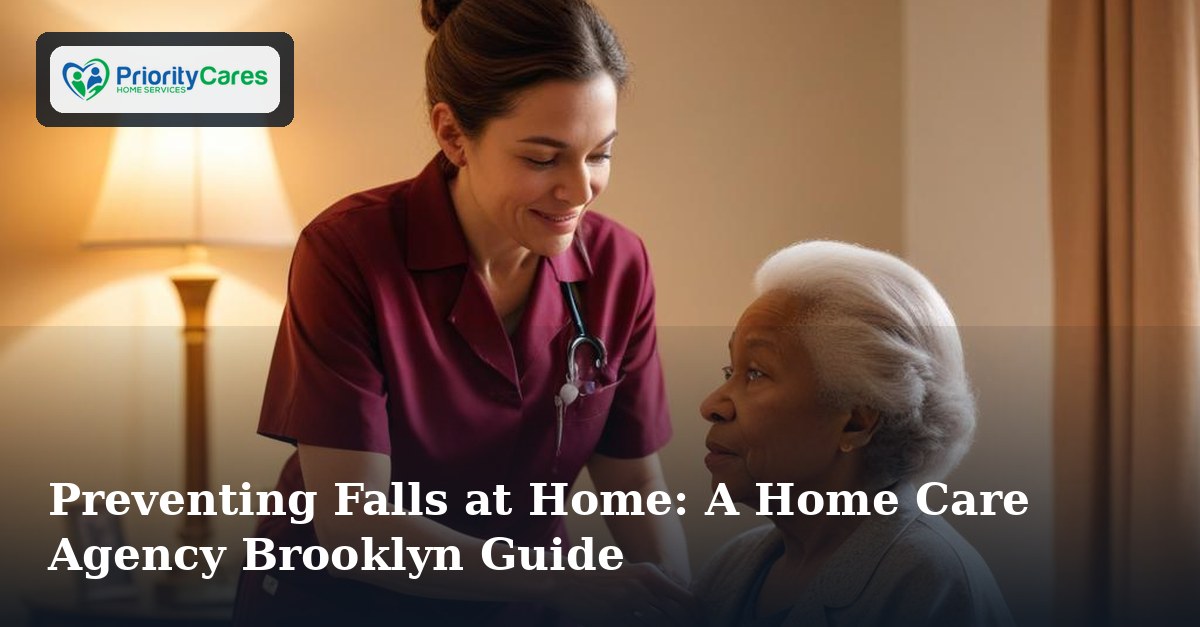
Preventing Falls at Home: A Brooklyn Family Guide
Ensuring the safety and well-being of our loved ones as they age is a top priority for families. One of the most significant concerns for seniors living at home is the risk of falls, which can lead to serious injuries and a decline in independence. At Priority Cares Home Services, we believe in empowering families with knowledge to create a safer environment. This post will guide you through common fall risks, practical prevention strategies, and how professional home care can offer invaluable assistance in safeguarding your loved one’s home.
Understanding the Risk: Why Falls Are a Concern
Falls are not an inevitable part of aging, but they are a common one, and their impact can be profound. For seniors, a fall can result in fractures, head injuries, and other serious health complications that significantly reduce mobility and quality of life. Beyond the physical injuries, falls can also lead to a fear of falling, which may cause seniors to limit their activities, ironically increasing their risk due to reduced strength and balance.
Several factors contribute to an increased risk of falls. These can range from environmental hazards within the home to personal health conditions. Age-related changes like decreased vision, hearing, and muscle strength play a role, as do certain medical conditions such as arthritis, Parkinson’s disease, or stroke. Medications, especially those that cause dizziness or drowsiness, can also heighten the risk. Understanding these underlying factors is the first step toward effective prevention. This content is for informational purposes only and is not medical advice.
Creating a Safer Home Environment: A Room-by-Room Checklist
Most falls happen in the home, often due to preventable hazards. Taking the time to assess and modify your loved one’s living space can significantly reduce their risk. Let’s look at common areas and what to check:
Living Areas and Bedrooms:
Clear pathways are essential. Remove clutter, loose rugs, electrical cords, and anything that could be tripped over. Ensure furniture is stable and easy to get in and out of, and arrange it to allow for wide, unobstructed walkways. Good lighting is crucial, especially at night; consider nightlights or motion-sensor lights.
Bathrooms:
Bathrooms are particularly high-risk areas due to wet surfaces. Install grab bars near the toilet and in the shower or bathtub for support. Use non-slip mats inside and outside the tub/shower. A raised toilet seat can make sitting and standing easier, reducing strain and instability.
Kitchen:
Keep frequently used items within easy reach to avoid stretching or using unstable step stools. Clean up spills immediately to prevent slippery surfaces. Ensure adequate lighting over work areas. Consider a sturdy, stable step stool with a handrail if reaching high shelves is unavoidable.
Stairs and Hallways:
Stairs should always have sturdy handrails on both sides. Ensure stairwells and hallways are brightly lit, and consider contrasting tape on the edge of steps to make them more visible. Keep these areas free of clutter, shoes, or any obstacles that could cause a trip.
Personal Factors and Proactive Steps for Fall Prevention
While a safe home environment is critical, personal health and habits also play a significant role in fall prevention. Encouraging your loved one to take proactive steps can empower them to maintain their independence and well-being.
Regular vision and hearing checks are vital, as impaired senses can affect balance and awareness of surroundings. Ensure eyeglasses and hearing aids are up-to-date and worn consistently. A medication review with a doctor or pharmacist can identify drugs that might cause dizziness, drowsiness, or interactions that increase fall risk. This content is for informational purposes only and is not medical advice.
Encouraging physical activity tailored to their abilities, such as walking, tai chi, or balance exercises, can significantly improve strength, balance, and coordination. Proper footwear with good support and non-slip soles is also important, even when indoors. Avoiding walking in socks or loose slippers can prevent slips and trips. This content is for informational purposes only and is not medical advice.
How a Home Health Aide NYC Can Help with Fall Prevention
Even with the best intentions, it can be challenging for families to manage all aspects of fall prevention. This is where professional support from a home health aide NYC can make a profound difference. A trained home health aide provides compassionate, hands-on assistance that directly contributes to a safer living environment.
A home health aide can assist with daily activities that might pose a fall risk, such as bathing, dressing, and meal preparation. They can provide steady support during transfers from bed to chair or during ambulation, reducing the chances of a slip. Beyond direct physical assistance, an aide can help maintain a clutter-free home, remind your loved one to use their assistive devices, and ensure pathways remain clear.
For families seeking comprehensive senior care services Queens or across the boroughs, a home health aide offers much more than just physical support. They provide companionship, watchful oversight, and a reassuring presence, which can significantly boost a senior’s confidence and reduce anxiety about falling. Their presence means someone is always there to respond quickly if a fall does occur, providing immediate help and comfort.
The Peace of Mind Professional Senior Care Services Queens Offers
Navigating the complexities of senior care can be overwhelming for families. The peace of mind that comes from knowing your loved one is safe and well-cared for is invaluable. A licensed home care agency can offer dedicated senior care services in Queens and throughout the NYC area designed to support both seniors and their families.
Well-trained caregivers can identify potential fall hazards and proactively implement prevention strategies. They assist with personal care, mobility, medication reminders, and light housekeeping, all while fostering an environment of safety and dignity. Choosing a trusted home care agency Brooklyn means partnering with professionals who are committed to enhancing your loved one’s quality of life and independence in the comfort of their own home.
Frequently Asked Questions
What are the most common causes of falls in seniors?
Falls in seniors often result from a combination of factors. Environmental hazards like cluttered pathways, poor lighting, and slippery surfaces are common culprits. Personal health factors such as muscle weakness, poor balance, vision problems, and certain medical conditions or medications can also significantly increase risk.
How often should I check my home for fall hazards?
It’s a good practice to conduct a thorough fall hazard check of your home at least once or twice a year, or whenever there’s a significant change in your loved one’s health or mobility. Daily vigilance is also important, ensuring immediate cleanup of spills and removal of new clutter.
Can a home health aide really make a difference in fall prevention?
Absolutely. A home health aide provides direct, hands-on assistance and supervision that is crucial for fall prevention. They can help with safe transfers, ensure proper use of assistive devices, maintain a hazard-free environment, and provide reminders for medication and exercises, significantly reducing the risk of falls and offering peace of mind.
Creating a safe home environment and taking proactive steps are vital in preventing falls and protecting the well-being of your senior loved ones.
How Priority Cares Can Help
In New York City we are a NYS DOH-approved NHTD and TBI waiver provider (service coordination, independent living skills training, community integration counseling and behavioral supports). We don’t send home care aides in Brooklyn, Queens or elsewhere in New York City, but we’ll connect you with a licensed home care agency and walk you through Medicaid and MLTC. Call (718) 400-6166.