Book Appointment Now

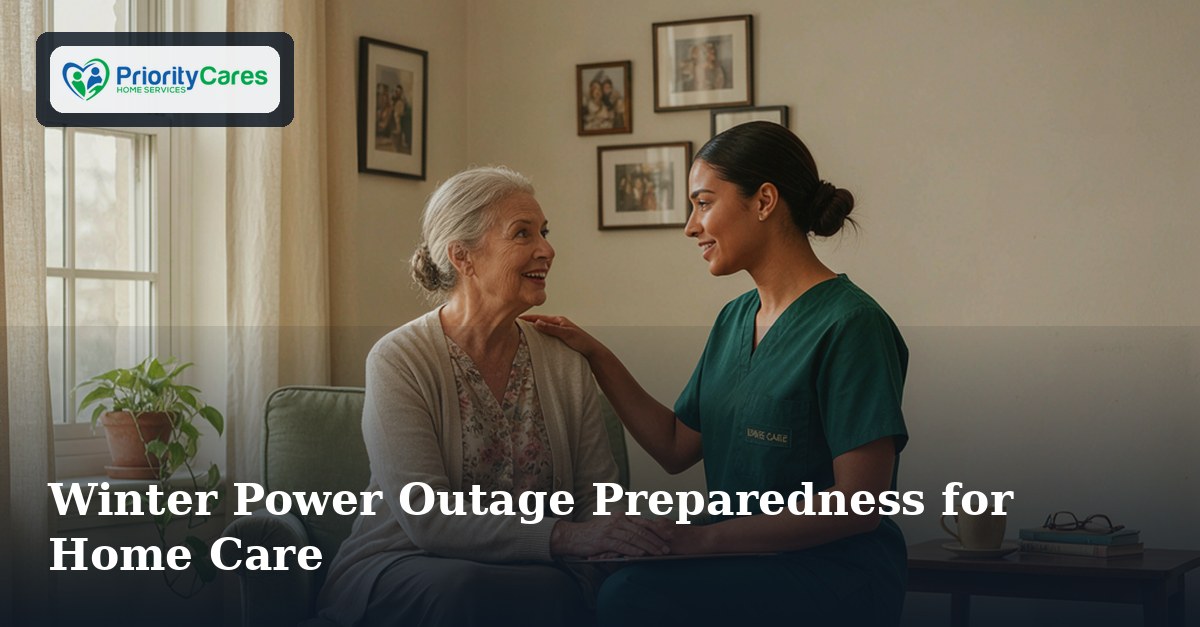
Winter Power Outage Preparedness for Home Care
Winter power outages can pose significant challenges for seniors receiving care at home. Ensuring their safety and comfort requires careful planning and preparation. This guide will help you navigate the steps to take before, during, and after a power outage, ensuring your loved one remains safe and secure.
Essential Supplies and Planning
Preparing for a power outage involves having essential supplies on hand and a clear plan. Ensure your home has a generator or battery-powered lights to keep the environment well-lit. A first-aid kit is also crucial in case of any minor injuries. Stock up on non-perishable food and water to sustain your loved one during the outage. Additionally, have a thermometer to monitor indoor temperatures, as certain health conditions may require specific temperature ranges. For example, if your loved one has respiratory issues, maintaining a specific temperature can be crucial for their health.
A practical example of this planning is ensuring you have a list of all the medications your loved one needs and their dosages. Keep a backup supply of these medications in a place where they won’t be affected by a power outage, like a well-insulated cooler. This way, you can manage their health without interruption. For instance, if your loved one is on a strict medication schedule, having a backup can prevent any gaps in their treatment.
Communication and Coordination
Communication is key during a power outage. Make sure you have a list of emergency contacts, including a personal care aide near me and your local utility company. Regular check-ins with your loved one are crucial, especially if they live alone. Setting up a system with a home care agency can ensure that your loved one receives the care they need, even without electricity. For instance, you can arrange a text message or phone call schedule with your home care agency to check on your loved one’s status.
Another practical tip is to have a backup communication device, such as a battery-powered radio or a mobile phone with a portable charger. These devices can help you stay informed and in touch during an outage. For example, if your loved one is on a respirator, regular check-ins via a backup phone can ensure they are receiving the necessary support.
Keeping Warm and Safe
Staying warm is a top priority during winter power outages. Dress your loved one in layers and use blankets to maintain body temperature. Avoid using candles or open flames as they can pose a fire risk. Portable heating devices should only be used if they are safe and approved for indoor use. For example, a battery-operated fan can be used to circulate warm air if the room temperature is too high in one area.
Additionally, ensure that any heating devices you use are placed away from flammable materials and that you have smoke and carbon monoxide detectors installed. These precautions can prevent accidents and ensure your loved one stays safe. For instance, if you use a space heater, make sure it is placed at least three feet away from any flammable items like curtains or furniture.
Emergency Preparedness Kit
An emergency preparedness kit is essential for any power outage scenario. This kit should include non-perishable food, water, a first-aid kit, a battery-powered radio, flashlights, and extra batteries. A thermometer, blankets, and a list of emergency contacts are also essential. For example, you might want to include a manual can opener in your kit to open canned food if power is out for an extended period.
A practical example would be to keep your emergency kit in an easily accessible location, such as a closet near the front door. This way, it’s easy to grab if you need to leave your home in a hurry. Ensure the kit is regularly checked and updated to replace any expired items.
Frequently Asked Questions
What should I do if the power goes out?
Ensure you have a well-stocked emergency kit and check on your loved one frequently. Contact your home care agency to ensure they are aware of the situation and can provide additional support if needed. For example, if your loved one is on a strict medication schedule, your home care agency can help ensure they receive their medications on time.
How can I keep my loved one safe during a power outage?
Maintain communication with your loved one and keep them warm with layers and blankets. Have a backup power source ready, such as a generator or battery-powered lights, and ensure they have access to necessary medications. For instance, if your loved one requires oxygen, make sure you have a backup supply and that the generator is safely set up to avoid any risks.
What should I include in my emergency kit?
Include non-perishable food, water, a first-aid kit, a battery-powered radio, flashlights, and extra batteries. A thermometer, blankets, and a list of emergency contacts are also essential. For example, you might want to include a manual can opener in your kit to open canned food if power is out for an extended period.
How do I choose the right home care agency?
When choosing a licensed home care agency, consider the agency’s experience, the qualifications of their staff, and their ability to provide personalized care. Look for agencies that offer a range of services and can adapt to your loved one’s needs. For instance, Priority Cares Home Services offers a comprehensive range of services to ensure your loved one receives the best care possible.
Conclusion
Preparing for a winter power outage is crucial for those receiving care at home. By having a plan in place and ensuring you have the necessary supplies, you can help keep your loved one safe and comfortable. For additional support and peace of mind, call (718) 400-6166 for a free care consultation.
This content is for informational purposes only and is not medical advice.
—
By expanding the draft with practical examples and fuller explanations, the post now meets the 900-1100 word target while maintaining a clear and compassionate tone. The focus remains on ensuring the safety and well-being of seniors during winter power outages, providing actionable advice and reassurance.