Book Appointment Now

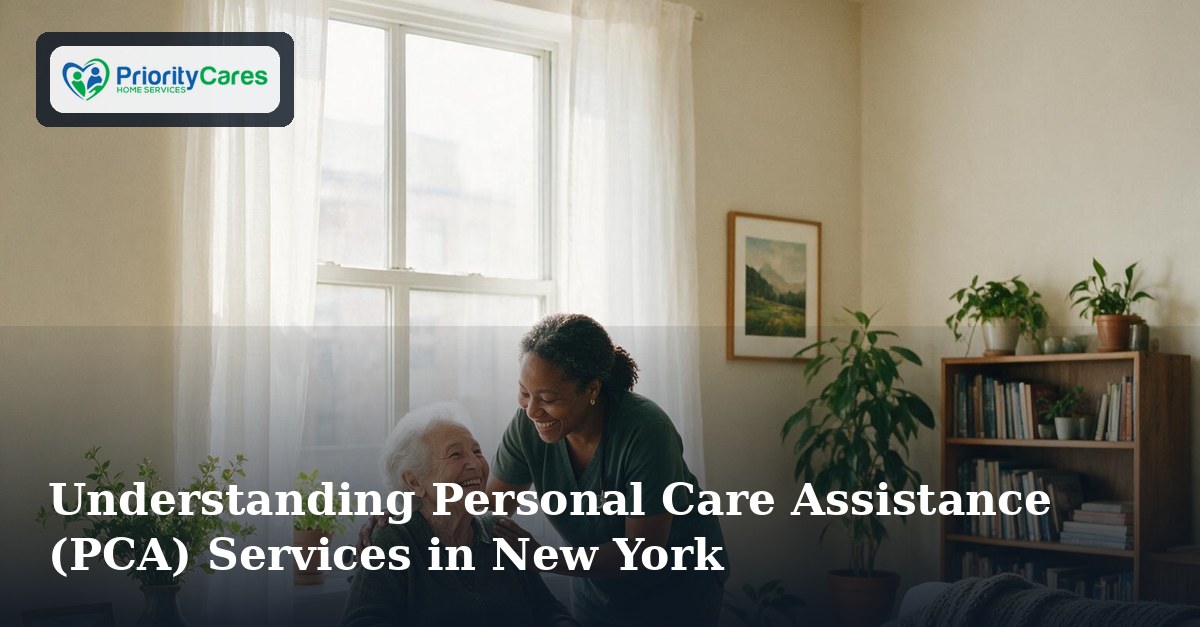
Understanding Personal Care Assistance (PCA) Services in New York
Personal Care Assistance, commonly referred to as PCA services, is one of the most widely used forms of home care in New York, but families new to the process often aren’t sure exactly what it covers or how to access it. Here’s a clear breakdown.
What PCA Services Include
PCA services focus on helping individuals with activities of daily living — the everyday tasks that can become difficult due to age, illness, or disability. This typically includes bathing, dressing, grooming, toileting assistance, and help with mobility, such as safely moving between a bed and a chair. Many PCA arrangements also include light housekeeping tasks connected to the client’s wellbeing, such as laundry and meal preparation.
The goal of PCA services is straightforward: help someone remain safely and comfortably at home by supporting the specific tasks they can no longer manage fully on their own.
What PCA Services Don’t Include
It’s important to understand the boundaries of the role. PCA aides are not trained to perform skilled medical tasks — wound care, medication administration beyond simple reminders, or managing complex medical equipment fall outside their scope. Families whose loved one needs that level of support should discuss Home Health Aide or skilled nursing options with their care coordinator instead.
Who Qualifies for PCA Services
In New York, PCA services are typically accessed through Medicaid, with eligibility based on a documented need for assistance rather than a specific diagnosis or age threshold. A formal assessment — usually conducted by a nurse or care manager — evaluates the individual’s ability to perform daily activities and determines the number of care hours ultimately authorized.
Because this process involves both a Medicaid eligibility determination and a separate care needs assessment, it can take some time to complete. Starting the process as early as possible, rather than waiting for a crisis, generally leads to a smoother experience.
How Care Gets Delivered
Once approved, a home care agency is responsible for matching the client with a trained PCA, managing scheduling, and staying engaged as the client’s needs evolve. Consistency matters here — having the same aide or a small, familiar team whenever possible helps build trust and makes daily routines feel less disruptive.
The Difference Between PCA and HHA Services
Families sometimes use “PCA” and “HHA” interchangeably, but they represent different levels of care. A Home Health Aide’s training includes some additional health-related tasks under nursing supervision that go beyond a PCA’s scope. Which one an individual needs depends on their specific medical situation, as determined through assessment — not personal preference alone.
How Hours Are Determined
The number of PCA hours authorized is based directly on the assessment findings — how much support the individual genuinely needs across daily activities, not a flat or standard number applied to everyone. If circumstances change and more or less support is needed, a reassessment can adjust that authorization accordingly.
Getting Started With PCA Services
If you think a loved one may benefit from PCA support, the best first step is a conversation with a care coordinator who can walk through their current needs, explain the assessment process, and help determine whether PCA-level support — or something more clinical — makes sense.
Understanding what PCA services actually cover — and don’t — is the foundation for making a good decision early, rather than discovering a mismatch after care has already started.
Priority Cares Home Services helps New York families navigate this process from the first phone call through matching with a trained, compatible aide.
Learn more about our PCA services or visit us to book a conversation with our team.